Clare and Henry’s repeated miscarriages
The Time Traveler's WifeClare and Henry’s repeated miscarriages are a defining strain on their marriage and their hope of having a child. Their losses begin after they decide to try for a baby, recur across several pregnancies, and force them to confront how little they know about the risks associated with Henry’s time-travel condition. The pattern culminates not in a simple decision to give up, but in a tension between Clare’s desire for a child, Henry’s fear of what their child might inherit, and his determination to protect Alba once she is born.
The hope of having a child
By the spring of 1996, about two years into their marriage, Clare and Henry have decided to see whether they can have a baby. They do not discuss the decision much. Clare knows Henry is not optimistic, but avoids asking why: she fears he may have seen a future without a child. She also tries not to consider whether his time-travel difficulties might be hereditary or affect a baby. Her hope takes over instead. She imagines a child who might resemble Henry, dreams of babies, and finds herself noticing and wanting to hold infants wherever she goes.
That hope is set against knowledge neither spouse can resolve. Henry’s condition makes their chances feel uncertain, but the evidence does not establish that the miscarriages are caused by it. The gap between Clare’s hope and Henry’s unspoken apprehension is present from the start: they try for a child without knowing what the future holds, while Clare deliberately avoids questions that might make the uncertainty harder to bear.
The first loss
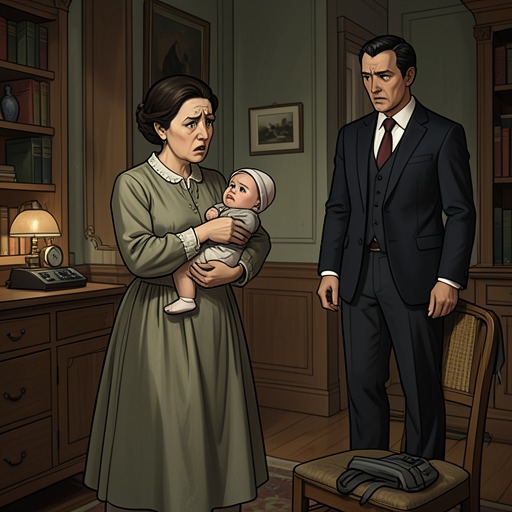
Clare’s first pregnancy loss occurs in June 1996, during its eighth week, while Henry is away after disappearing from their backyard. She has been going about an ordinary evening at home when the first pains begin. As the sensations intensify and she realizes she is bleeding, she calls Charisse for help. She leaves Henry a note explaining that she has gone to Illinois Masonic with Charisse, and Charisse and Gomez take her there.
At the hospital, the word miscarriage gives a name to what Clare is experiencing. The loss follows despite the medical staff’s efforts. Henry arrives shortly before the end, but is not allowed into the room; Clare wakes later that night to find him beside her. He is pale and silent as he embraces her. Their reunion offers no remedy for what has happened. Instead, the scene makes the loss an experience they face together after Clare has endured its immediate crisis without him.
Recurrence and accumulated grief
The loss is not isolated. In October 1997, Henry wakes to find Clare surrounded by blood. She holds out a tiny body and tells him that the baby has died; the two sit together and cry. The account makes the repeated pattern unmistakable: this is not one painful interruption followed by an uncomplicated return to hope, but a succession of losses within their effort to have a child.
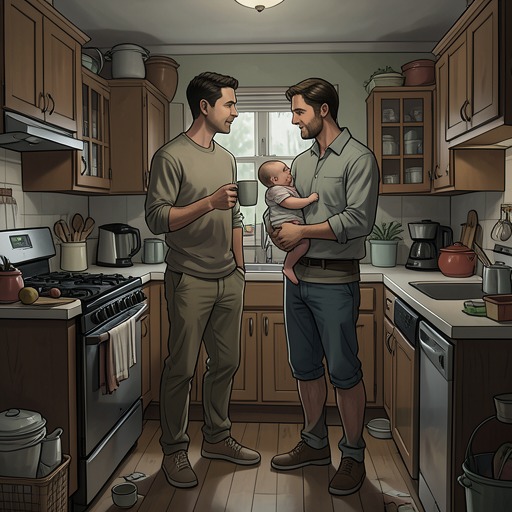
Later, when Clare holds Charisse and Gomez’s baby, Rosa, the sight sharpens Henry’s awareness of what they have been losing. He feels briefly nauseous and worries that he might time-travel, then recognizes the reality of their repeated miscarriages. When Gomez asks whether they are still trying, Henry says they have had three miscarriages. Gomez responds with a joke about losing three children, but Henry tells him it is not funny. His reply marks the difference between an outsider’s attempt to lighten the subject and the cumulative grief the couple carries.
Decisions under uncertainty
Henry eventually decides to have a vasectomy without telling Clare beforehand. In June 2000, he waits at a medical office on Sheridan Road, near Diversey, intending to end his ability to father children. The evidence establishes his decision and its secrecy, but does not establish that the miscarriages alone caused it. In the context of their repeated losses and his concerns about the possible heredity of his condition, the choice belongs to a wider struggle over whether they can safely or successfully become parents.
The decision does not prevent another pregnancy. Clare later tells Henry she is pregnant, and he remembers how it could have happened: during a visit from 1996, when they were trying desperately to conceive, he had been with Clare while she was barely awake. The difference between his remembered time and hers means that an earlier effort to have a child has consequences she encounters later. Her pregnancy therefore arrives after Henry’s attempt to close off that possibility, exposing the limits of decisions made across their disordered experience of time.
From repeated loss to parenthood
During the labor that leads to Alba’s birth, Henry stays beside Clare and holds her hand as medical staff respond to concern about the baby’s rapid heartbeat. Alba’s arrival changes the couple’s circumstances, but it does not erase the losses that preceded her. When Clare holds Rosa, Henry’s reaction shows how readily another family’s newborn brings their miscarriages back into view. Parenthood and bereavement remain intertwined rather than canceling each other out.
Henry’s later knowledge of his own death adds another fear to the family’s future. He tells Clare that he does not know exactly what will happen, but wants to help Alba in case she dislikes time travel or faces danger because of it. He asks Clare to let him leave her a safety net through research using Alba’s genetic material. Clare weeps, then agrees. This choice does not resolve the uncertainty around inheritance; it shows how the couple, after pursuing a child through repeated loss, approach their daughter’s future through a painful mixture of love, medical hope, and caution.